
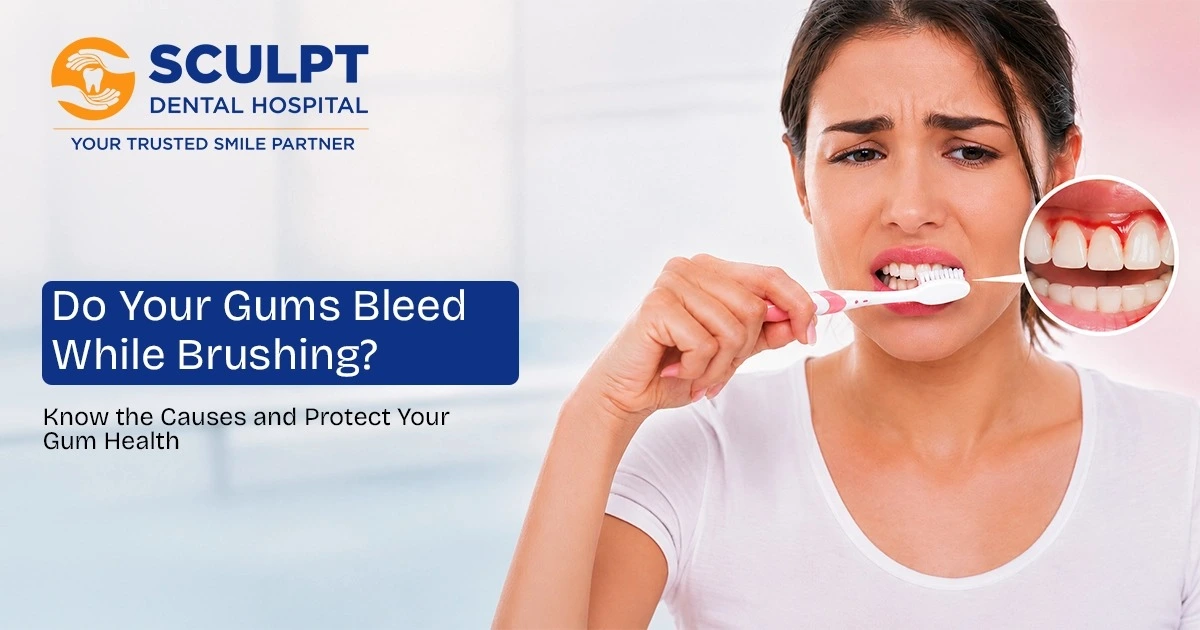
Have you noticed blood when brushing or flossing your teeth? While occasional gum irritation can happen, bleeding gums should not be considered normal, especially when the problem occurs regularly.
Bleeding gums can be caused by something as simple as plaque buildup or brushing too aggressively, but they can also indicate gingivitis or more advanced gum disease. Identifying the cause early can help prevent the problem from progressing and protect your teeth and gums.
If you are searching for the Best Dental Hospital in Chennai, understanding the possible causes of bleeding gums can help you know when it is time to seek professional dental care.
Why Are My Gums Bleeding?
The most common reason for bleeding gums is inflammation caused by plaque buildup around the gumline. When plaque is not removed properly, bacteria can irritate the gums, causing them to become red, swollen and prone to bleeding.
However, bleeding gums can have several possible causes, including:
- Plaque and tartar buildup
- Gingivitis
- Periodontitis
- Brushing too aggressively
- Incorrect flossing technique
- Poor oral hygiene
- Hormonal changes
- Smoking or tobacco use
- Certain medications
- Nutritional deficiencies
- Poorly fitting dental appliances
Sculpt Dental Hospital also identifies bleeding while brushing or flossing, swollen gums, persistent bad breath, gum recession and loose teeth as signs that may require professional gum care.
Is It Normal for Gums to Bleed While Brushing?
Healthy gums generally should not bleed during routine brushing or flossing.
If your gums bleed occasionally after brushing too hard, changing to a soft-bristled toothbrush and using gentler movements may help. However, if bleeding happens repeatedly, it is important to determine whether inflammation or gum disease is responsible.
The American Dental Association explains that gingivitis can cause gums to become red, swollen and prone to bleeding. American Dental Association – Gum Disease
What Are the Common Causes of Bleeding Gums?
1. Plaque and Tartar Buildup
Plaque is a sticky film containing bacteria that constantly forms on your teeth. When it is not removed effectively, it can accumulate around the gumline.
Over time, plaque can harden into tartar, which cannot be completely removed with ordinary brushing at home.
This buildup can irritate the gums and lead to bleeding.
Professional scaling and polishing can help remove plaque, tartar and surface deposits. Sculpt Dental Hospital’s Scaling and Polishing treatment in Chennai includes professional cleaning designed to remove deposits above and below the gumline.
2. Gingivitis
Gingivitis is inflammation of the gums and is often associated with plaque accumulation.
Common symptoms include:
- Bleeding during brushing or flossing
- Red gums
- Swollen gums
- Gum tenderness
- Bad breath
Gingivitis is generally considered an early stage of gum disease. Addressing it early can help prevent progression to more serious periodontal problems.
3. Periodontitis
If gum inflammation is left untreated, it may progress to periodontitis.
Periodontitis affects the tissues supporting the teeth and can eventually contribute to gum recession, bone loss and tooth mobility.
The CDC explains that periodontal disease can damage the tissues and bone supporting the teeth. Centers for Disease Control and Prevention – Gum Disease
Sculpt Dental Hospital provides Gum Treatment in Chennai for conditions ranging from mild gingivitis to more advanced periodontal disease. The treatment options listed by the hospital include scaling and root planing, laser gum treatment, gum flap surgery and gum grafting, depending on the patient’s condition.
4. Brushing Too Hard
More pressure does not necessarily mean cleaner teeth.
Brushing aggressively can irritate the gum tissue and contribute to bleeding or gum recession.
Use a soft-bristled toothbrush and gentle movements. If you are unsure whether your brushing technique is appropriate, ask your dentist to demonstrate the correct method.
5. Incorrect Flossing
Flossing is an important part of oral hygiene, but forcing floss between the teeth or snapping it against the gums can cause irritation.
If you have recently started flossing, minor bleeding may occur when your gums are inflamed. However, persistent bleeding should not simply be attributed to flossing.
6. Hormonal Changes
Hormonal fluctuations can make the gums more sensitive and susceptible to inflammation.
Some people may experience increased gum sensitivity during pregnancy or other periods of hormonal change.
Maintaining good oral hygiene and attending regular dental check-ups can help manage gum-related problems during these periods.
7. Smoking and Tobacco Use
Smoking and tobacco use can increase the risk of gum problems and negatively affect oral health.
If you use tobacco and regularly experience bleeding gums, discuss the issue with your dentist.
8. Certain Medications
Some medications can affect gum health or increase bleeding.
If you take medications such as blood thinners and notice unusual or persistent bleeding, tell your dentist about the medication during your consultation.
Never stop a prescribed medication without discussing it with your doctor.
9. Nutritional Deficiencies
Certain nutritional deficiencies can contribute to bleeding or oral health problems.
However, you should not assume that a vitamin deficiency is the cause of your bleeding gums without appropriate evaluation. Persistent bleeding deserves a dental examination to identify the actual cause.
What Are the Warning Signs of Gum Disease?
Bleeding may be one of the earliest symptoms of gum problems, but it is not the only sign.
Watch for:
- Red or dark-colored gums
- Swollen or puffy gums
- Persistent bad breath
- Gum tenderness
- Gum recession
- Pus around the gums
- Loose teeth
- Pain while chewing
- Increased tooth sensitivity
Sculpt Dental Hospital’s existing guidance on bleeding or swollen gums and signs that should not be ignored highlights many of these symptoms and recommends professional evaluation when bleeding persists or occurs alongside swelling, pain or other warning signs.
Can Bleeding Gums Heal on Their Own?
It depends on the cause.
If bleeding is caused by brushing too aggressively, improving your brushing technique may resolve the irritation.
If plaque-related inflammation is responsible, improving daily oral hygiene and receiving professional cleaning may help.
However, gum disease cannot always be managed with home care alone. Hardened tartar requires professional removal, and advanced periodontal problems may require specialized treatment.
Sculpt Dental Hospital’s Full Mouth Oral Prophylaxis (FMOP) is designed to address plaque and tartar buildup across the mouth and support healthier gums.
How Are Bleeding Gums Treated?
Treatment depends on what is causing the bleeding and how advanced the condition is.
Professional Scaling and Polishing
For patients with plaque and tartar buildup, professional scaling can remove deposits that cannot be eliminated effectively through regular brushing.
Sculpt Dental Hospital offers professional scaling and polishing using ultrasonic cleaning to remove plaque and tartar from around the teeth and gumline.
Full Mouth Oral Prophylaxis
When plaque and tartar accumulation affects multiple areas of the mouth, a comprehensive cleaning may be recommended.
Sculpt Dental Hospital’s FMOP treatment focuses on cleaning areas above and below the gumline and is used as part of preventive and gum care.
Scaling and Root Planing
When deposits extend below the gumline, deeper cleaning may be required.
Scaling and root planing focuses on removing plaque and tartar from affected areas and smoothing the tooth-root surfaces to support gum healing.
Gingival Curettage
For certain patients with persistent gum inflammation or periodontal pockets, curettage may be considered.
According to Sculpt Dental Hospital, gingival curettage involves removing infected soft tissue from periodontal pockets and cleaning the affected area. It may be used alongside other periodontal treatments when appropriate.
Laser Gum Treatment
For selected gum conditions, laser-assisted treatment may be recommended.
Sculpt Dental Hospital lists laser gum treatment among its gum therapy options and describes it as a minimally invasive approach for targeting infected areas.
Gum Surgery or Grafting
More advanced gum conditions may require surgical treatment.
Depending on the patient’s condition, procedures such as gum flap surgery or gum grafting may be considered. Sculpt Dental Hospital lists both among its gum treatment options.
The appropriate treatment should always be determined following a professional examination.
How Can I Stop My Gums From Bleeding?
You can support healthier gums by following a consistent oral hygiene routine.
Brush Twice a Day
Use a soft-bristled toothbrush and fluoride toothpaste. Brush gently for approximately two minutes.
Clean Between Your Teeth
Floss or use an appropriate interdental cleaning method to remove plaque from areas your toothbrush cannot reach.
Schedule Professional Cleanings
Even with good home care, tartar can accumulate over time. Regular professional cleaning can help maintain gum health.
Avoid Tobacco
Smoking and tobacco use can increase oral health risks. Avoiding tobacco can benefit both your gums and overall oral health.
Don’t Ignore Persistent Symptoms
If your gums continue to bleed despite improving your oral hygiene, schedule a dental examination.
Sculpt Dental Hospital’s General Dentistry services include dental check-ups, teeth cleaning, deep gum cleaning and other preventive dental treatments.
When Should I See a Dentist for Bleeding Gums?
You should arrange a dental consultation if:
- Your gums bleed repeatedly
- Bleeding continues despite improved oral hygiene
- Your gums are swollen or painful
- You have persistent bad breath
- Your gums are receding
- You notice pus around the gums
- Your teeth feel loose
- You have difficulty chewing
- You have significant gum sensitivity
Early evaluation can help identify the problem before it progresses.
What Happens During a Gum Examination?
A dentist will first discuss your symptoms and oral hygiene routine.
The examination may include checking:
- Gum color and swelling
- Plaque and tartar accumulation
- Gum recession
- Periodontal pockets
- Tooth mobility
- Signs of infection
- Overall dental health
Depending on your condition, dental X-rays or other diagnostic procedures may also be recommended.
The goal is to determine why your gums are bleeding, rather than simply treating the visible bleeding.
Can Bleeding Gums Lead to Tooth Loss?
Untreated advanced gum disease can damage the tissues and bone supporting the teeth.
As periodontal disease progresses, teeth can become loose and may eventually be lost.
This is why recurring gum bleeding should not be ignored. Early diagnosis and appropriate treatment can help protect the structures supporting your natural teeth.
Why Choose the Best Dental Hospital in Chennai for Gum Care?
Choosing the right dental team matters when gum symptoms persist.
At Sculpt Dental Hospital, gum care is approached according to the patient’s individual condition. The hospital provides treatments ranging from professional cleaning and FMOP to specialized periodontal procedures such as curettage, laser gum treatment, gum flap surgery and gum grafting.
Sculpt Dental Hospital also provides comprehensive General Dentistry in Chennai, making it possible to evaluate gum problems alongside your overall oral health.
Frequently Asked Questions
Why are my gums bleeding when I brush?
The most common causes include plaque buildup, gingivitis, gum disease and brushing too aggressively. Persistent bleeding should be evaluated by a dentist.
How can I stop my gums from bleeding?
Use a soft-bristled toothbrush, brush gently twice daily, clean between your teeth and maintain regular dental check-ups. If bleeding continues, professional dental evaluation is recommended.
Should I stop brushing if my gums bleed?
No. Stopping oral hygiene can allow plaque to accumulate further. Instead, brush gently with a soft-bristled toothbrush and consult a dentist if bleeding persists.
Is bleeding gums a sign of gingivitis?
Bleeding gums can be a common sign of gingivitis, particularly when accompanied by red, swollen or tender gums. However, other conditions can also cause bleeding, so professional diagnosis is important.
Can scaling stop bleeding gums?
If plaque and tartar buildup are contributing to gum inflammation, professional scaling can help remove these deposits and support gum health. However, treatment depends on the underlying condition.
When should I worry about bleeding gums?
Persistent bleeding, especially when accompanied by swollen gums, bad breath, gum recession, pus, pain or loose teeth, should be evaluated by a dentist promptly.
Conclusion
Bleeding gums are often an early warning sign that your gums need attention. While aggressive brushing or occasional irritation can cause bleeding, recurring symptoms may indicate plaque buildup, gingivitis or periodontal disease.
The good news is that many gum problems can be effectively managed when identified early.
Maintaining good oral hygiene, attending regular dental check-ups and seeking professional care when symptoms persist can help protect your gums and natural teeth.
Don’t Ignore Bleeding Gums – Get Them Checked
Looking for the Best Dental Hospital in Chennai for professional gum care?
Sculpt Dental Hospital offers comprehensive dental and gum treatments tailored to individual oral health needs, from professional cleaning and FMOP to advanced periodontal procedures.
Don’t wait for bleeding gums to become a bigger dental problem. Book an Appointment with Sculpt Dental Hospital today and take the first step toward healthier gums and a confident smile.